FIFA Eases World Cup Water Bottle Policy for 2026
Fifa has rowed back for a second time on its World Cup water bottle rules, easing a policy that had sparked anger from fans, scientists and even the British prime minister.
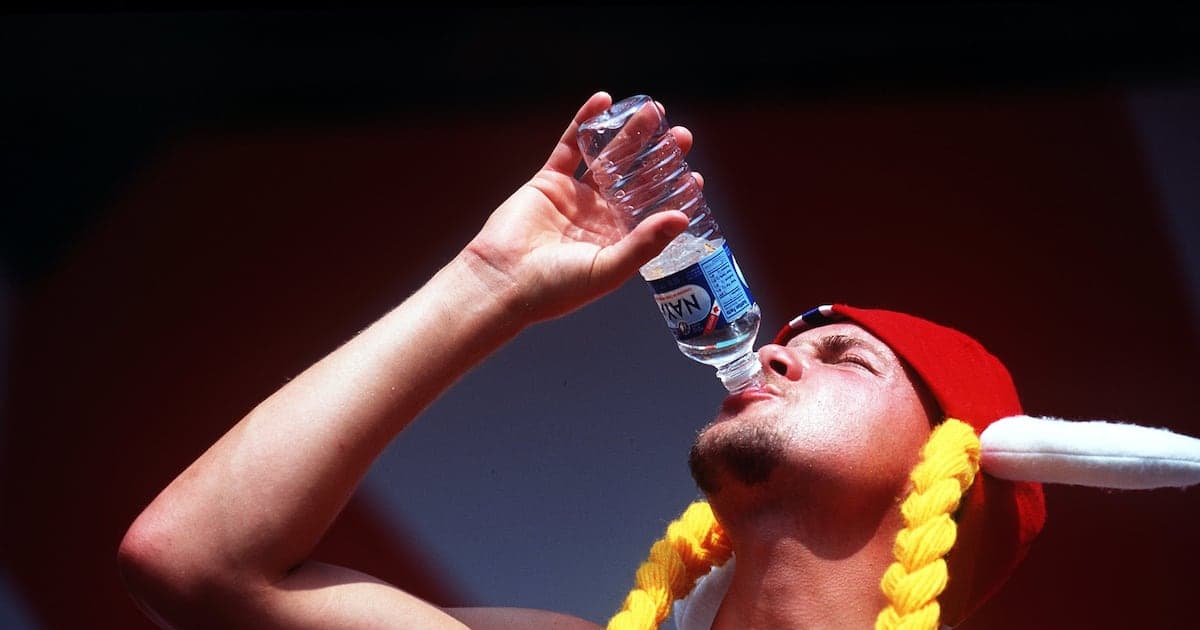
In a fresh update for the 2026 tournament in North America, supporters will now be allowed to take one soft, plastic, factory-sealed disposable bottle of water – 20 ounces (590ml) – into stadiums in the USA and Canada.
It is a partial U-turn after a clumsy week of messaging. Initially, ticket holders were told they could bring in an empty, transparent, reusable bottle of up to one litre. Then came an abrupt change: reusable bottles were out altogether, prompting a backlash at a tournament expected to be played in fierce summer heat.
Fan groups and heat-stress experts had already warned about the risks of restricting access to water in such conditions. Keir Starmer went further. The British prime minister called the measure “wrong” and suggested it was driven by commercial motives rather than safety.
“So you can’t bring plastic bottles in but you can buy a bottle of water when you get in the crowd?” he told LBC. “And then it’ll be expensive. The tickets themselves cost a fortune, far too expensive in my view.”
The criticism cut through. Under pressure, Fifa shifted its stance. In a statement outlining the revised policy, the governing body confirmed that every fan will now be allowed one sealed disposable bottle.
World Cup 2026 chief operating officer Heimo Schirgi drew the new line: “What is not allowed are hard-sided resealable water containers, which could pose a safety and security risk.” The message is clear – soft, sealed, single-use plastic is in; anything sturdier is out.
Security has been Fifa’s public justification throughout. Earlier this week it said the original ban on bringing in bottles was designed to “prevent risk and injury to players and attendees”. Yet the contrast with recent tournaments has been hard to ignore.
At last summer’s Club World Cup in the United States, fans were allowed to bring in empty bottles and fill them inside the ground. Water was widely available in those stadia, typically priced between £3 (€3.47) and £4.50. That experience set a benchmark many supporters expected to carry over into 2026.
Instead, they have watched the policy tighten, then loosen, in the space of days. Starmer’s broader criticism – that ticket prices are already “far too expensive” and that restricting bottles looks “about making money” – will resonate with many planning to travel.
Fifa’s compromise may calm some of the anger, but it leaves a bigger question hanging over a tournament spread across vast distances, varied climates and multiple time zones: in a World Cup likely to be defined as much by heat and logistics as by football, how far will organisers really go to put supporter welfare first?