Denver Summit W Dominates Houston Dash W in 4-1 Victory
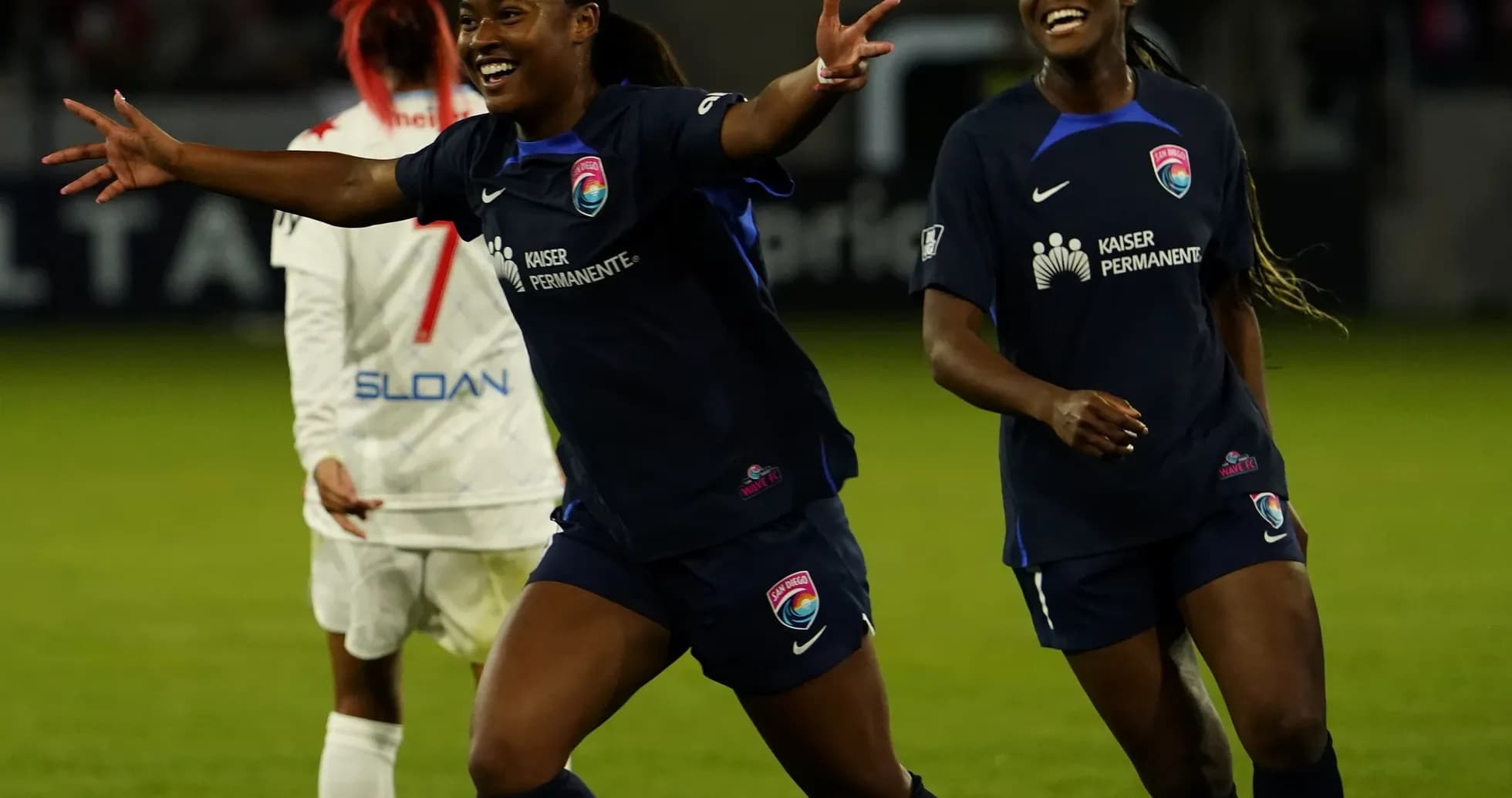
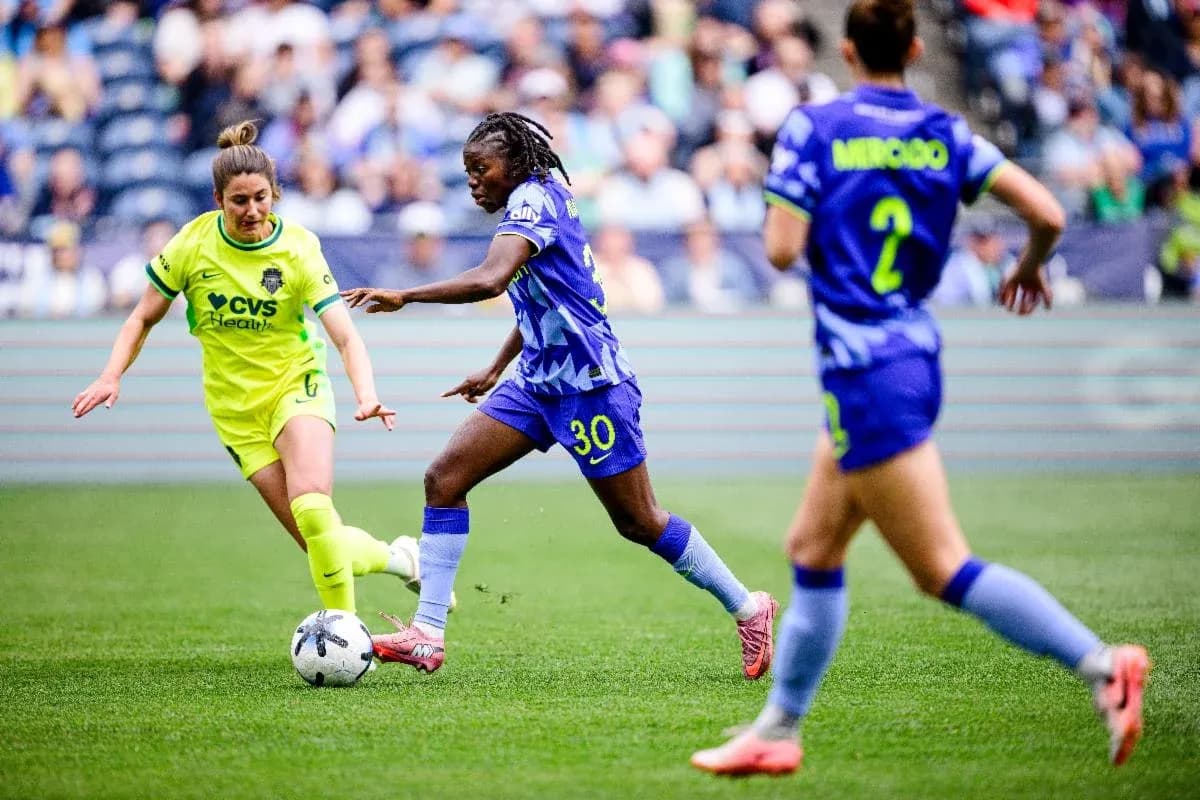
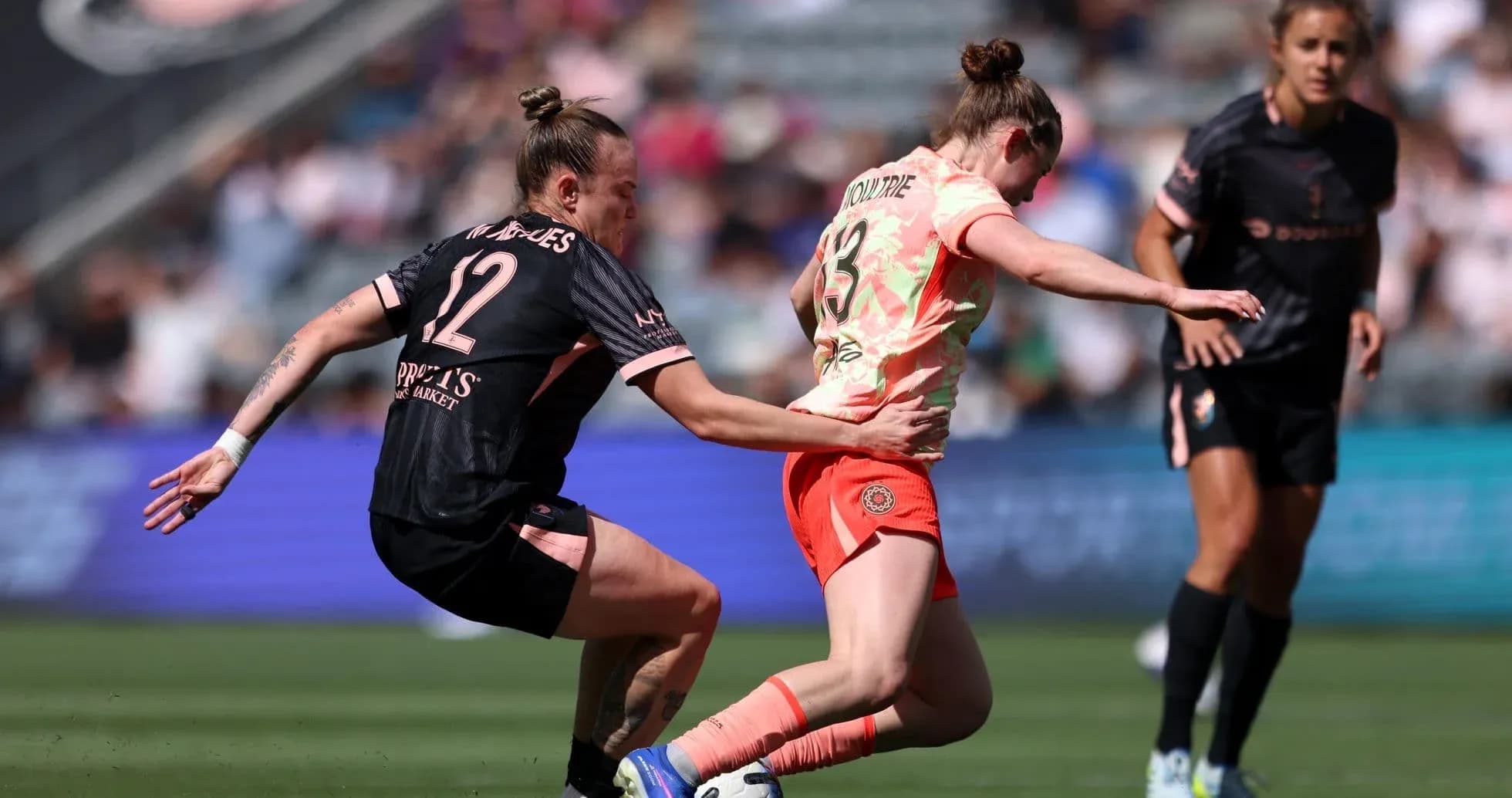
Houston Dash W’s 1-4 home defeat to Denver Summit W at Shell Energy Stadium was shaped by Denver’s structural superiority in both boxes rather than sheer volume of possession. In an NWSL Women group-stage fixture where Denver held a narrow 53%-47% possession edge, their 14 total shots (7 on goal) translated into ruthless finishing and better occupation of central spaces, while Houston’s 7 shots (3 on goal) rarely destabilized Denver’s compact 4-2-3-1 block. The 1-2 halftime scoreline already reflected Denver’s control; a dominant second half, underpinned by intelligent rotations between the lines and effective wide progression, turned it into a comprehensive away win.
First Half
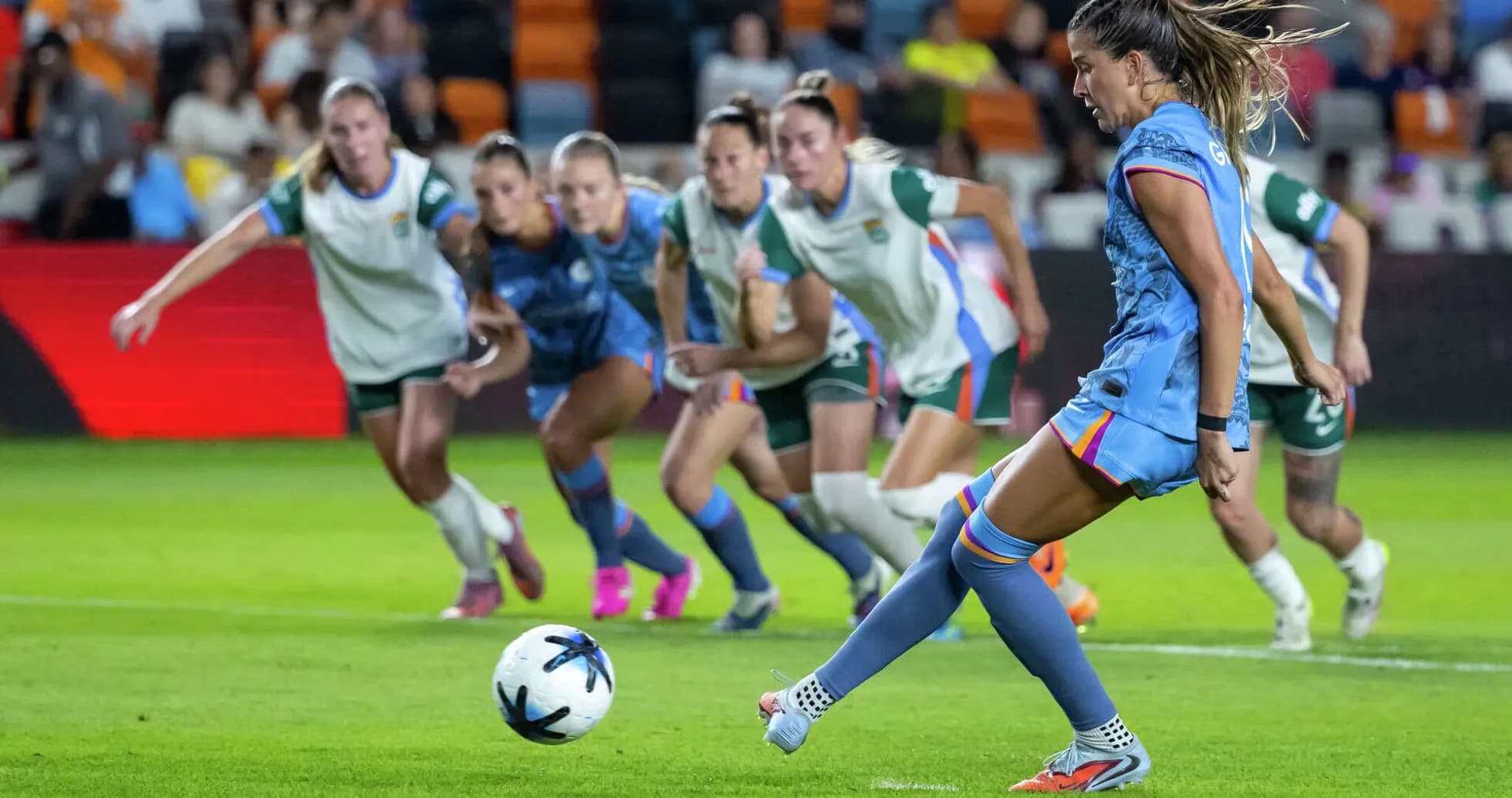
The scoring opened on 15' when J. Sonis struck for Denver Summit W, assisted by Y. Ryan. That early breakthrough validated Denver’s intent to use their lone striker’s movement against Houston’s back four. On 34', N. Flint doubled the lead with a Normal Goal, again exploiting gaps as Houston’s midfield line failed to screen the central channels effectively. Houston’s lifeline came at 45', when M. Graham converted a Penalty to make it 1-2, but it did not materially shift the tactical balance.
Immediately after the break, Houston adjusted personnel: at 46', Clarissa Larisey (OUT) made way for Mary Hardin (IN), hinting at a defensive reshuffle and possible push of a full-back higher. Denver responded by reasserting control. On 49', D. Sheehan, assisted by A. Oke, restored a two-goal cushion with another Normal Goal, punishing Houston’s inability to track late midfield runners from Denver’s double pivot.
Discipline
Discipline was one-sided but limited. The full card log is:
- 51' Danielle Colaprico (Houston Dash W) — Foul
- 74' Linda Ullmark (Houston Dash W) — Foul
Denver Summit W finished without any bookings, underlining how comfortably they managed the game state once ahead.
Second Half
From that 49' goal onward, Denver’s 4-2-3-1 imposed itself. The back four of Ayo Oke, Eva Gaetino, Kaleigh Kurtz and Janine Sonis defended on the front foot, with Oke in particular key in both phases before her substitution. The double pivot of Delanie Sheehan and Devin Lynch offered stable vertical connections, allowing Yazmeen Ryan, Natasha Flint and Natalie Means to operate as a fluid three behind Klara Melissa Kössler.
Ryan’s role was decisive: stationed nominally as an attacking midfielder (shirt 9, grid 4:3), she repeatedly found pockets between Houston’s midfield and defense. Both Sonis’s 15' goal and the 72' strike came from Ryan’s ability to receive between the lines and release her runners at the right moment. Sonis, listed as a defender in the starting XI (shirt 6, grid 2:1), functioned in practice as an aggressive overlapping or underlapping presence from the left, stepping into advanced zones that Houston’s right side struggled to track.
Houston’s 4-4-2 under Fabrice Gautrat never fully solved those rotations. The back line of Jane Campbell behind Avery Patterson, Paige Nielsen, Malia Berkely and Leah Klenke had to defend large lateral spaces. With wide midfielders Katherine Ann Rader and Linda Ullmark stretched, the central duo of Danielle Colaprico and Maggie Graham (who scored the penalty) were often pulled out of shape, leaving channels for Denver’s interior runs.
Key Substitutions
The key substitution pattern reflected Houston’s search for control. At 62', Danielle Colaprico (OUT) was replaced by Sarah Puntigam (IN), an attempt to stabilize the central zone after Colaprico’s 51' booking for Foul. Later, at 78', Leah Klenke (OUT) made way for Lisa Boattin (IN), and Linda Ullmark (OUT) for Emina Ekic (IN), suggesting a shift toward more progressive full-back play and added creativity from the left half-space. At 84', Kate Faasse (OUT) was replaced by Messiah Bright (IN), adding directness up front. Yet these changes came with the game already tilted at 1-3 and, crucially, without altering the structural issue of Denver’s superior occupation between the lines.
Denver’s substitutions were more about energy management than tactical overhaul. At 59', Ayo Oke (OUT) was replaced by Yuna McCormack (IN), and at 60', Natalie Means (OUT) by Carson Pickett (IN), maintaining the 4-2-3-1 while refreshing the flanks. On 72', J. Sonis again scored, assisted by Y. Ryan, effectively ending Houston’s hopes at 1-4. Later, at 82', Klara Melissa Kössler (OUT) was replaced by Olivia Thomas (IN), and at 90', N. Flint (OUT) by Emma Regan (IN), ensuring Denver kept defensive and transitional intensity high through the final minutes.
Goalkeeping Comparison
In goal, both keepers registered 2 saves, but the context differed sharply. Jane Campbell faced 7 shots on target, conceding 4, reflecting the high-quality chances Denver created centrally and inside the box (9 shots inside the area). Abby Smith, by contrast, dealt with just 3 shots on target from Houston’s 7 total attempts, protected by a compact structure that forced Houston into more speculative efforts from outside (4 shots outside the box) and wide angles.
Statistical Overview
Statistically, Denver’s superiority was clear but not overwhelming in raw possession: 424 passes, 349 accurate (82%), versus Houston’s 382 passes, 295 accurate (77%). The difference lay in what those passes achieved. Denver’s slightly higher pass accuracy and volume, combined with 8 corner kicks to Houston’s 3, show a side that consistently advanced into the final third and sustained pressure. Houston’s 7 offsides, compared to Denver’s 1, underline a forward line repeatedly caught trying to break a well-organized high line rather than combining through midfield.
Defensively, Houston’s low foul count (5 vs Denver’s 11) and 2 yellow cards for Foul suggest they were more reactive than disruptive, often arriving second to duels rather than setting the physical tone. Denver, despite committing more fouls, controlled where those fouls occurred, breaking Houston’s rhythm without ceding dangerous free-kick zones.
Conclusion
In synthesis, this was a match where Denver Summit W’s overall form outstripped Houston Dash W’s: superior chance quality, better structural balance in a 4-2-3-1, and more effective use of their attacking midfielders. Houston’s defensive index on the day was poor, particularly in protecting central spaces and tracking advanced runs from nominal defenders like J. Sonis. Without xG data, the shot profile, pass efficiency and territorial dominance all point to a deserved 1-4 away win built on tactical clarity and ruthless execution.