Curaçao’s Joshua Brenet Faces Germany: A Journey of Redemption
On Sunday night in Germany, a small Caribbean island will stare down a football superpower. At right-back for Curaçao, a familiar face awaits the Mannschaft dugout – and two former coaches who long ago lost patience with him.
An island’s talent, a nation’s backbone
Curaçao is still part of the Kingdom of the Netherlands, but in footballing terms it has grown into something very much its own. Recognised by FIFA only since 2010, the national team leans heavily on the Curaçaoan diaspora that has flowed into Dutch football for generations.
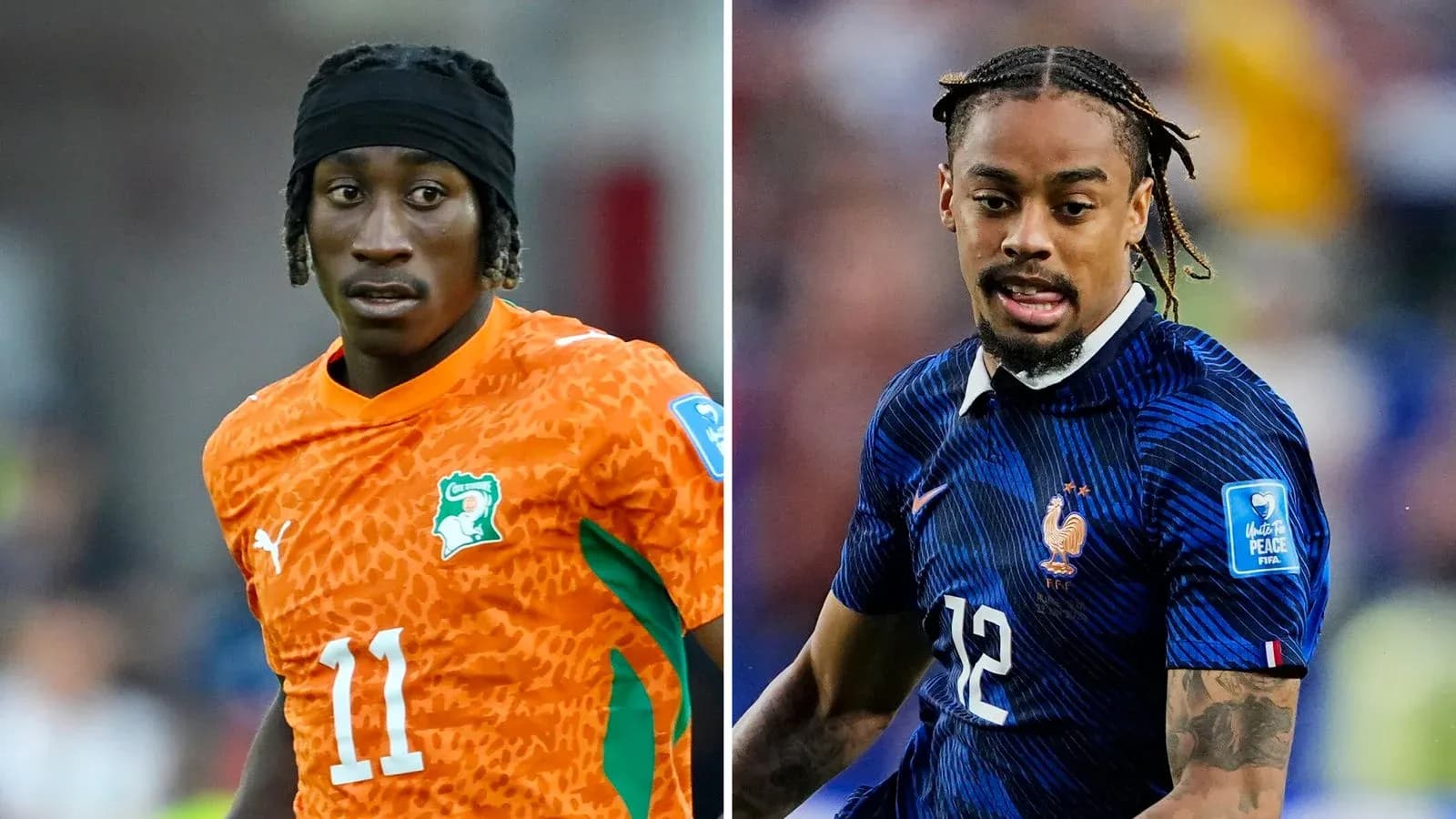
Of the 26 players in the current World Cup squad, just one was actually born on the island. Fittingly, he is the most recognisable name: Tahith Chong, once the bright, braided hope at Manchester United and now at Sheffield United.
He is not alone in carrying a German backstory into this tournament. Curaçao’s squad is laced with Bundesliga and lower-league alumni: Gervane Kastaneer (ex-1. FC Kaiserslautern), Riechedly Bazoer (VfL Wolfsburg), Roshon van Eijma (Preußen Münster), and the former TSG Hoffenheim duo Jürgen Locadia and Joshua Brenet.
It is Brenet’s path, though, that loops most dramatically back to Germany.
From Nagelsmann’s project to problem case
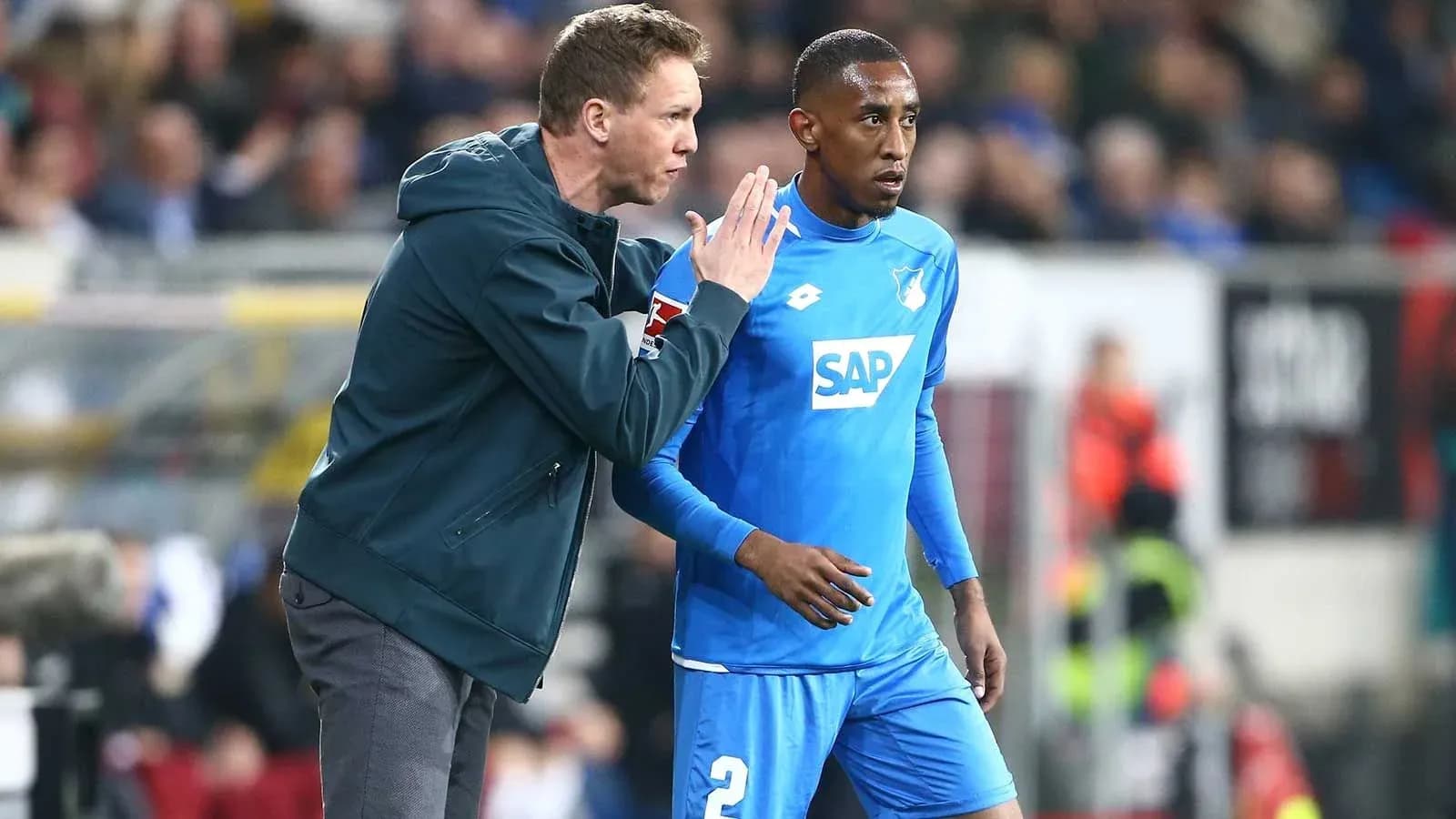
When Hoffenheim paid €3.5 million to prise Brenet from PSV Eindhoven in 2018, the move carried the clear imprint of Julian Nagelsmann. The young coach saw in the right-back a modern, aggressive full-back, already a three-time Eredivisie champion and capped twice by the Netherlands.
The reality in Sinsheim unraveled quickly. Brenet began on the bench for the first Bundesliga games after his arrival. Then came a moment that still colours his reputation: ahead of Hoffenheim’s first-ever Champions League match, against Shakhtar Donetsk, he skipped a video session. Nagelsmann responded by dropping him from the squad for that historic night.
He was later brought back into the fold, but the trust never truly returned. Brenet’s appearances became sporadic, his role marginal. When Nagelsmann departed, things grew even bleaker. His successor Alfred Schreuder – now Nagelsmann’s assistant with Germany – did not use him at all. Under Sebastian Hoeneß, Brenet slid further down the hierarchy, eventually finding himself with the reserves in the fourth-tier Regionalliga Südwest.
Disciplinary problems mounted. Chronic lateness and recurring issues off the pitch eroded his standing inside the club. Hoffenheim struggled to find a buyer, and a once-promising investment drifted towards the exit. Only in 2022 did he finally leave, joining Twente Enschede on a free transfer.
Revival, then self-destruction
Back in the Netherlands, Brenet began to look like a footballer again. Performances at Twente reminded observers why PSV and the Dutch national setup had once invested in him. On the field, he rebuilt his case.
Off it, he tore it down.
In January 2023, he was caught driving without a licence twice in two weeks. He had already lost that licence in 2020 after a drink-driving offence. The pattern left little room for sympathy in court.
“He clearly has no regard for authority. It seems to me as though he is continuing to play football after receiving a red card,” the presiding judge said, before handing down a one-month prison sentence in 2024. It was not his first conviction: in 2021 he had received a suspended sentence, including a fine and community service, for domestic violence.
On appeal, the prison term for driving without a licence was converted into community service. Twente did not wait for a redemption arc. They terminated his contract.
A restless tour: Qatar, Scotland, Turkey – and back to the big stage
From there, Brenet’s career turned nomadic. He moved to Al-Rayyan in Qatar and managed only six appearances in the 2024/25 season. By autumn he was in Scotland with Livingston FC, a brief stop before another move, this time to Kayserispor in Turkey for the second half of the campaign.
It is a route more often associated with fading careers than World Cup storylines. Yet here he is, in the colours of Curaçao, heading into a global tournament.
Despite a long youth career with the Netherlands and a senior debut for Oranje in the 2016 World Cup qualifiers, FIFA granted his switch of allegiance to Curaçao, his parents’ homeland. Since his debut for the island in 2024, he has scored six goals in 17 appearances – a remarkable return for a right-back and a measure of his attacking instincts.
In the final warm-up match against Aruba, he started in his usual position on the right and found the net again. The timing could hardly be sharper.
Facing the past in German colours
On Sunday at 7 pm, Curaçao will walk out to start their World Cup campaign against Germany. For most of the squad, it is a date with a giant. For Joshua Brenet, it is a collision with his past.
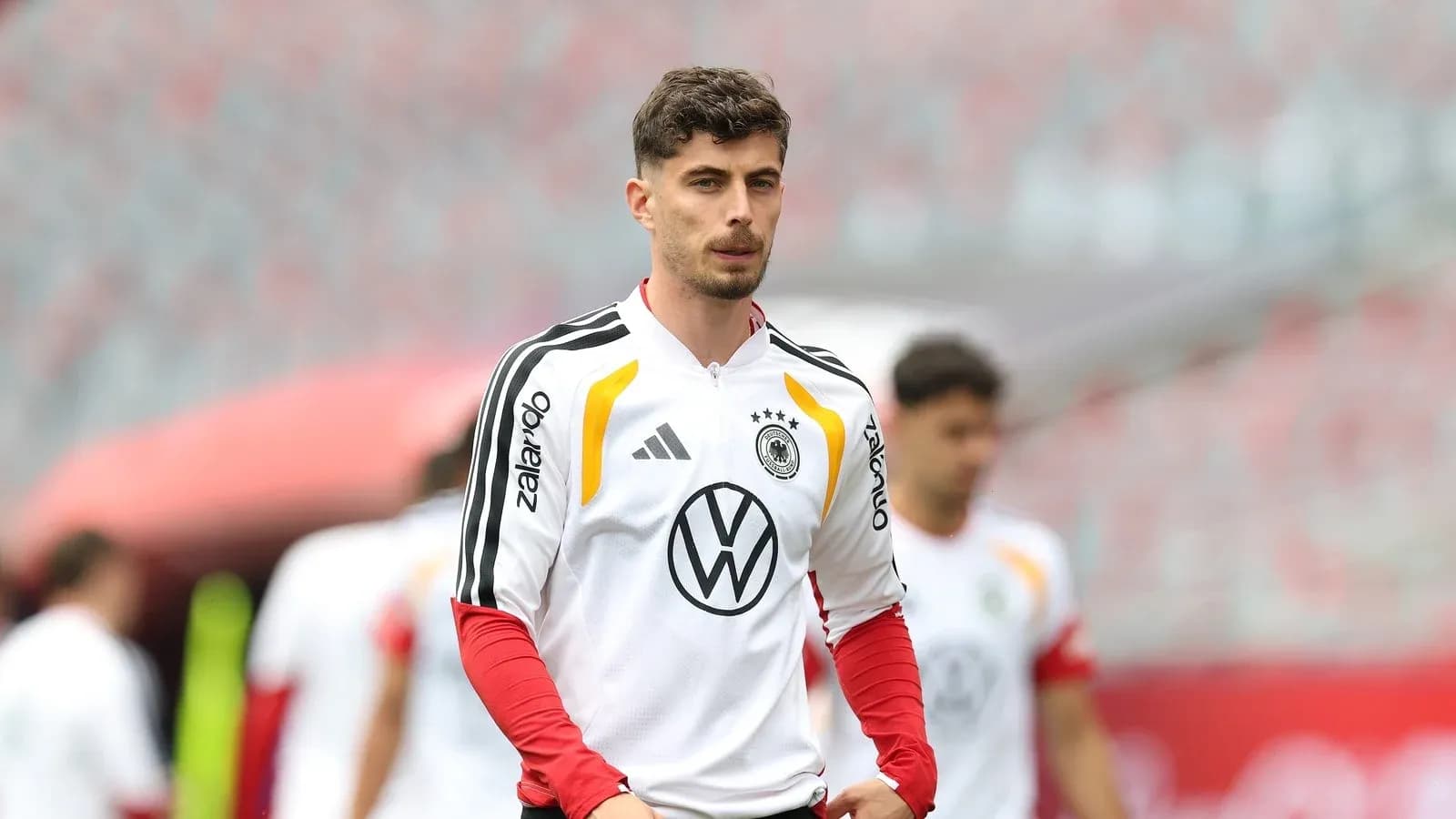
On the opposite bench stand Nagelsmann and Schreuder, the coaches who once tried to shape him, then ultimately moved on without him. Their paths now cross again, only this time Brenet is not the errant full-back buried in a Bundesliga squad list. He is a key figure for a rising Caribbean nation, carrying both his baggage and his talent onto the biggest stage.
Germany will see an opponent to be controlled. Curaçao will see a chance to announce themselves.
Brenet, 32 years old and running out of second chances, will see something else entirely: the rarest thing in his turbulent career – a shot at rewriting the story in front of the very men who first wrote him off.